Photograph a book. Know what you have.
Valib turns three photographs — cover, title page, copyright page — into a detailed record you can use to identify, catalog, and price the physical book in front of you.
The barcode is only the beginning. The book itself is the evidence.
Take three photos. Valib reads the object in front of you, then checks what it finds against bibliographic and marketplace sources.
- Identify the edition — publisher, date, contributors, binding, and other details that distinguish one physical book from another.
- Build the record — reconcile incomplete or conflicting metadata instead of blindly copying a marketplace listing.
- Understand the market — surface the information you need to price and catalog the copy with evidence in view.
Known books. Missing records.
These were not undiscovered books. They were books whose useful identifying information was scattered, incomplete, or absent from the places a seller would normally look.
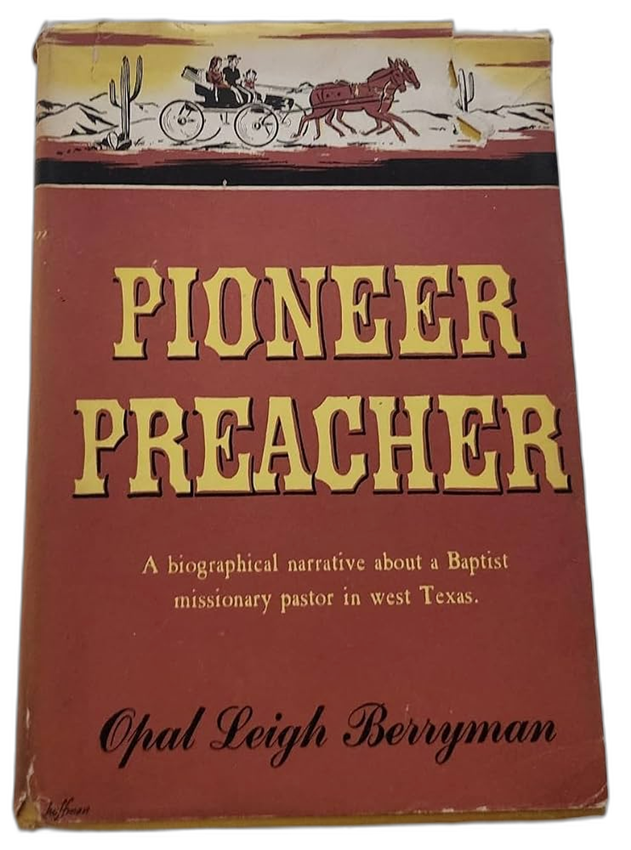
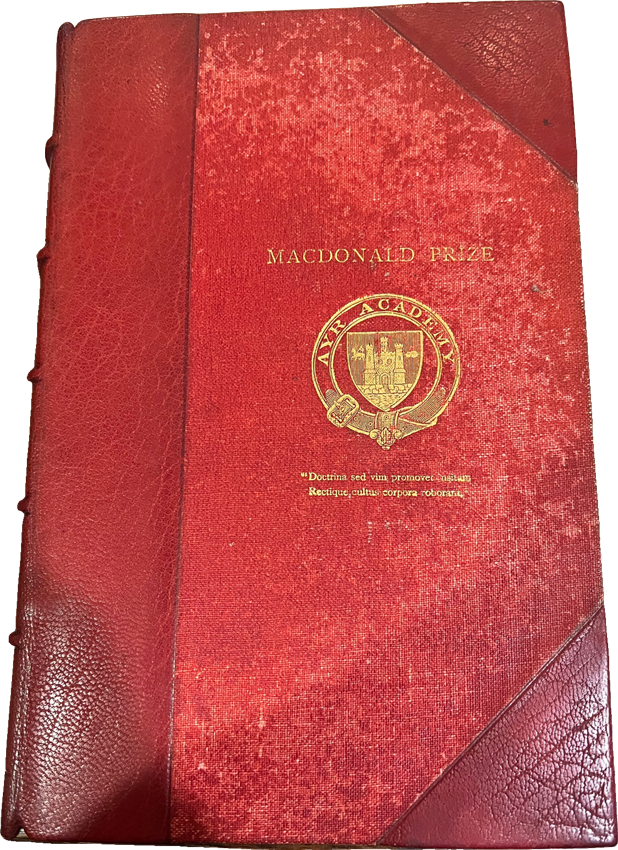
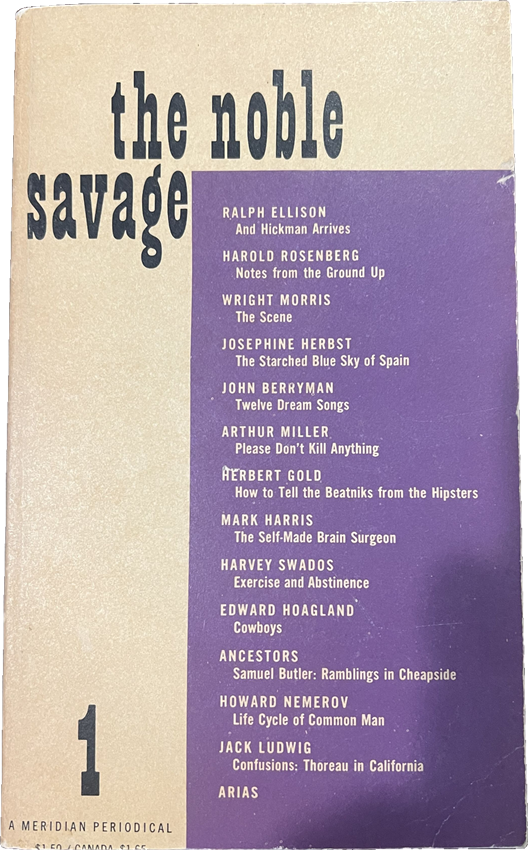
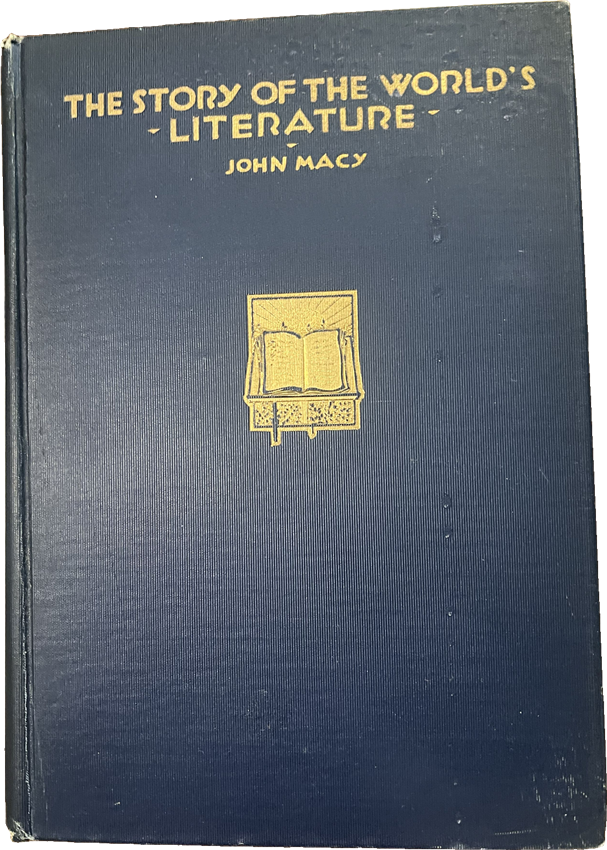
The books were sitting on our shelves. The records needed to understand them were not.
Charlie Becker grew up around used books. Then the internet started getting worse at seeing them.
Valib cofounder Charlie Becker grew up in his family's used bookstore in Houston, which handles the books that fall through ordinary retail systems: old editions, strange bindings, forgotten contributors, books without ISBNs, and books whose online records are simply wrong.
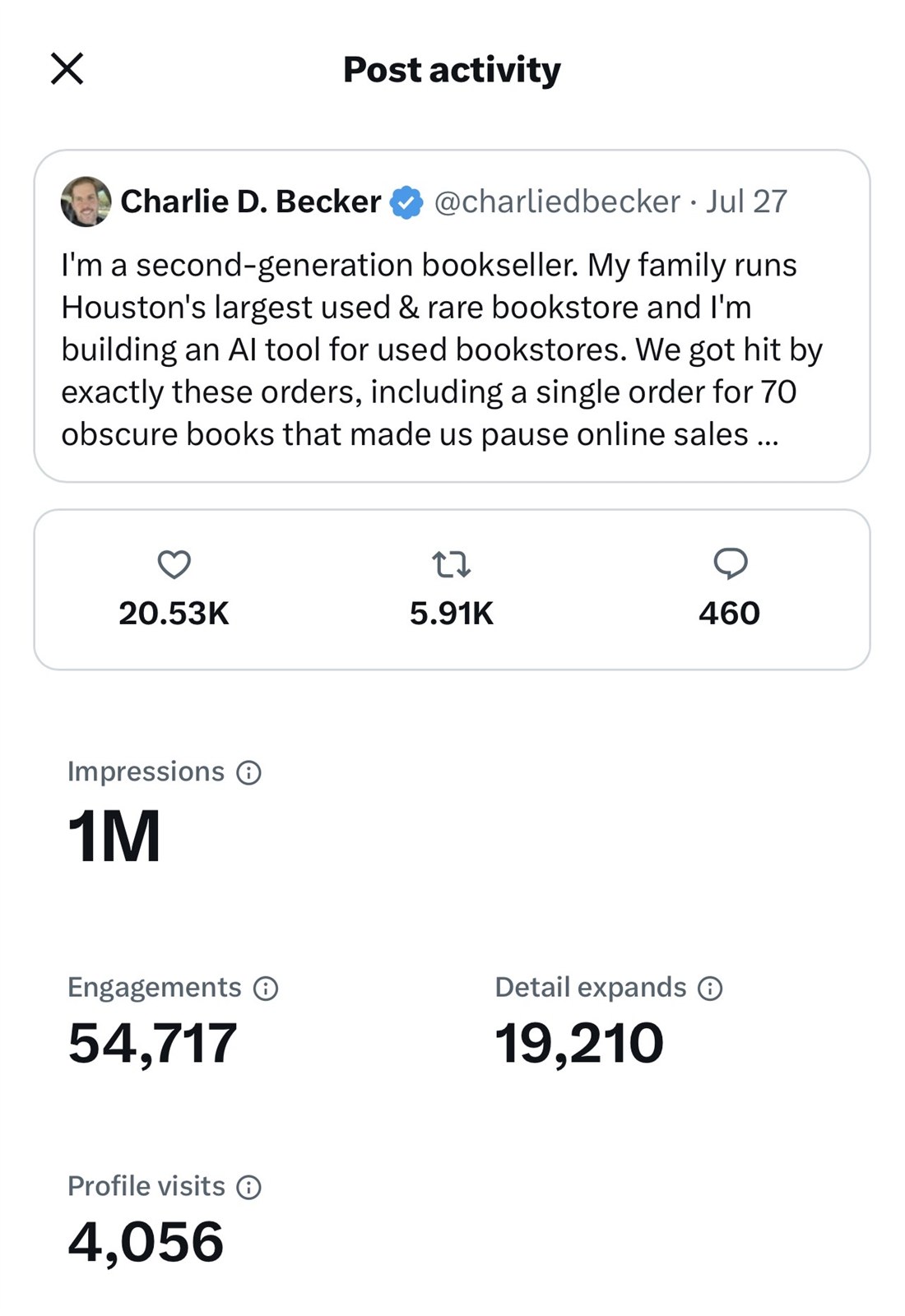
A viral story about AI companies buying and destroying rare books led him to investigate a run of unusual bulk orders the store was receiving. The sensational explanation did not hold up. The underlying problem did.
The internet is full of books it technically knows about but cannot describe well enough to identify, price, or surface.
A bad record does more than look messy. It changes what a book is worth — and whether anyone finds it.
When the edition, binding, contributors, or provenance are missing, a seller may price the wrong book. A buyer may never see the right one. An unusual copy becomes indistinguishable from a generic listing.
Valib starts with the physical object instead of assuming the database is right.
For booksellers first. Useful wherever physical books need better records.
- Independent booksellers — catalog unfamiliar inventory without starting from a blank search box.
- Collectors and institutions — capture details that generic ISBN metadata flattens or misses.
- Readers and buyers — eventually discover the actual copy, edition, or binding they are looking for instead of another interchangeable product page.
Bookselling experience, computer vision.
- Charlie Becker — second-generation bookseller who grew up in and helps run a large Houston used bookstore. Built the first working system while investigating the metadata and pricing failures he was seeing in real inventory.
- Adam Nelson-Archer — technical co-founder and PhD student working in AI and computer vision.
The software is being built inside the place where the edge cases arrive by the box.
My dad is seventy. He's hauled boxes of books into the store for forty years — and still smiles when he opens one he hasn't seen before.
That moment depends on the book being allowed to remain specific: this edition, this binding, this history, this copy. Valib is a way to make more of that specificity usable online.
Start using Valib.
Booksellers first. Buyers and collectors can join now for early access.